



Why Should You Read This?
If you’ve ever felt stuck working long hours, trying side hustles that never quite work, or chasing the dream of financial independence, Jenisa’s story will hit home.
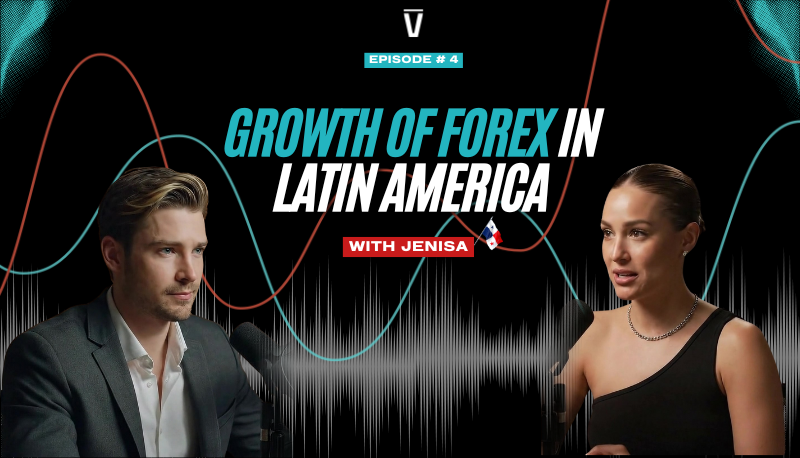
This episode dives into the journey of Jenisa, a Panamanian trader who turned her frustrations into freedom through forex trading in Latin America. After moving from Panama to Texas and then Costa Rica, she tried everything: dropshipping, Amazon sales, and affiliate marketing, but nothing gave her real results or control.
Then she discovered Varianse, a regulated forex and CFD broker, and everything changed. What started as a simple free $100 trading credit became the beginning of a new life chapter.
With CFDs, she finally found a trading style that matched her lifestyle — no complex crypto wallets, no hidden risks, just clarity, control, and opportunity. Leverage provided her with access to larger trades without needing massive capital, while regulation and transparency gave her peace of mind.
From learning support and resistance levels, candlestick patterns, and RSI, to building consistent progress with discipline, Jenisa proved that success isn’t about luck; it’s about structure, education, and the right platform.
But this story isn’t only about one trader’s success. It’s about a movement. Across Mexico, Chile, Brazil, Panama, and Colombia, a new generation of traders is rewriting what financial independence looks like using forex and CFD trading to take back control of their future.
So whether you’re a full-time employee, a mom balancing family and ambition, or someone looking for a fresh start, Jenisa’s story will remind you that independence isn’t out of reach – not if you have the right mindset and the right partner, like Varianse.
Jenisa’s story shows how strength, control, and possibility can redefine independence one trade at a time.
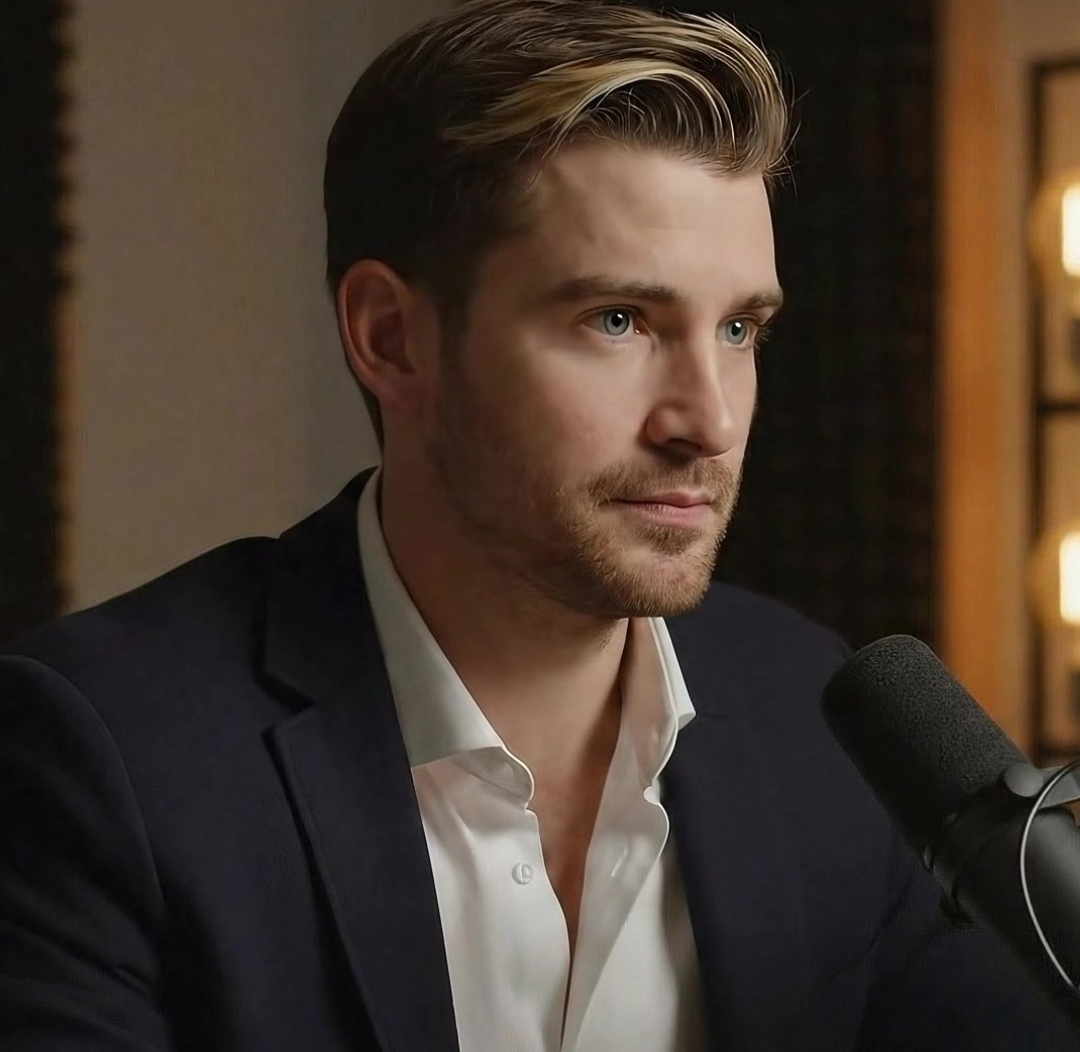 Ben (Host)
Welcome back Variansers!
Every time we sit down in the VDX studio, it feels less like a recording and more like a journey. Through the voices and stories we share here, we travel sometimes to the big financial hubs in Europe, sometimes to the buzzing streets of Asia, other times to the vibrant markets of Africa, or the fast-paced cities of North America.
That’s the beauty of what we do. We get to wander across continents, connect with people from every corner of the world, and bring their unique experiences into one space and today, our path leads us to Central America, a region alive with tropical energy, rich traditions, and a rhythm that’s impossible to ignore.
Today we have one of our first Latina traders on board. She started her career in hospitality, welcoming people from around the globe, and now she’s taken that same drive into the markets, where she’s thriving as a full time trader.
Good afternoon Jenisa.
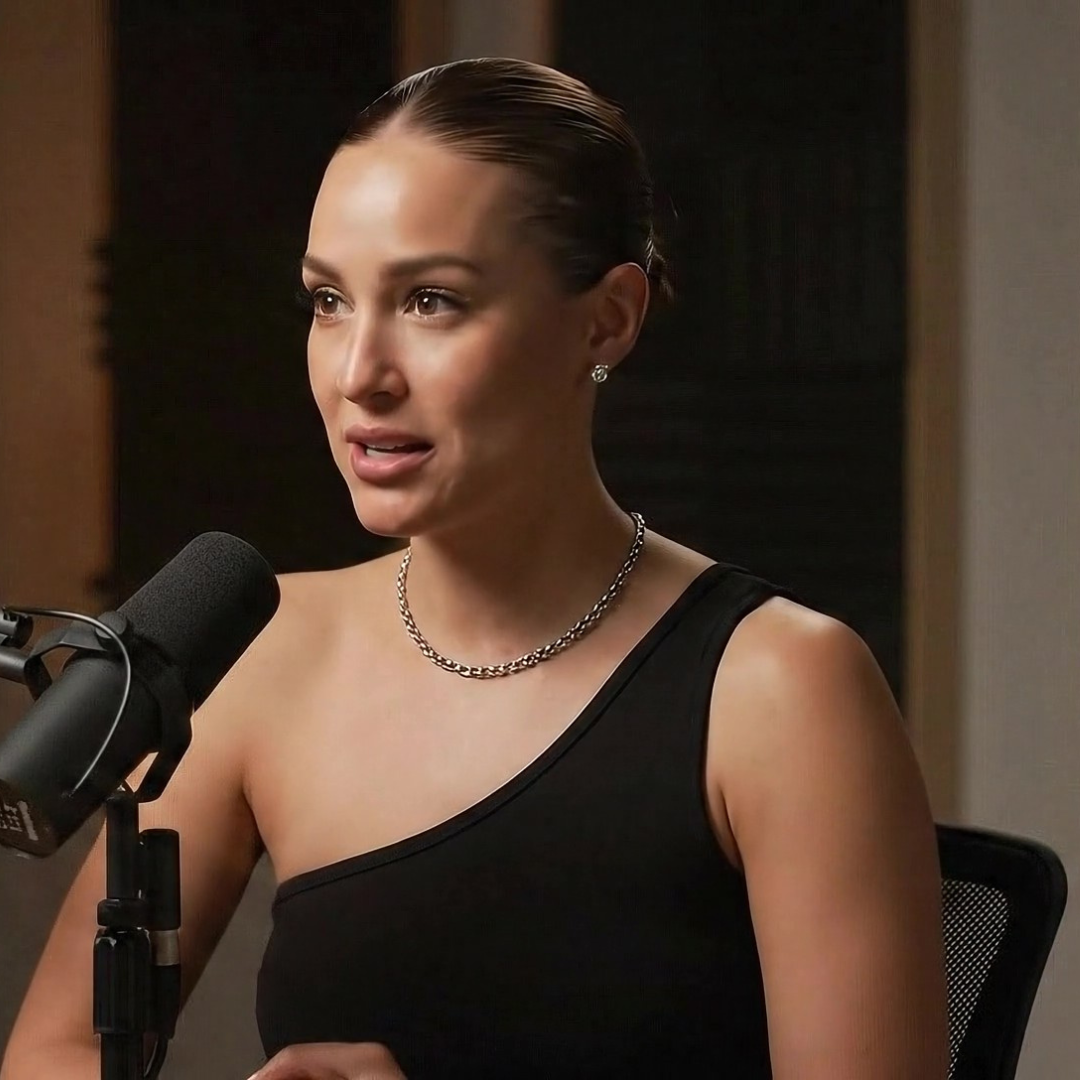 Jenisa (Guest)
Good afternoon Ben. Thank you for having me here. It's such a pleasure..
Ben (Host)
I saw you at the Traders Talk Conference recently. You looked beautiful.
Jenisa (Guest)
Oh Thank you.
Ben (Host)
This episode is going to be really interesting whether you’re single, married, a recent graduate, balancing a job, staying at home, or even running a small side business.
If you’ve ever wanted more independence, confidence, and the ability to take control of your own path, then Jenisa’s story is one you won’t want to miss.
Jenisa (Guest)
Oh Thank you. Thank you, Ben. Honestly, it makes me so happy to share my journey. You know, for a long time I thought I was doing everything “right” working hard, following the normal path, ticking all the boxes. But life has a way of shaking you up.
You know, if I look back, my life started out just like any other average girl’s.
When I was in my bachelor’s, my world was filled with the usual things: getting dressed up, trying new styles, enjoying little self-care rituals, hanging out with friends, and dreaming about meeting that perfect boyfriend. Life felt simple, smooth, and predictable.
Eventually, I did get into a relationship, and for a while, it felt like I was living that dream. Things became more serious, and we decided to move in together.
At that point, I had the same plans so many young women have, like I thought about finishing my degree, landing a stable job, getting married, starting a family, and living that “normal” cycle of life. Graduate, work, marriage, children just like society teaches us.
Ben (Host)
I think a lot of listeners, especially young women will really connect with what you just said.
Because you’re right, society paints this picture of what life “should” look like: study hard, get a degree, find a job, settle down, get married, raise a family and for many people, that’s the path they take without ever questioning it.
Jenisa (Guest)
Yeah, but life rarely follows the script we write in our heads. The person I trusted the most broke my heart and stepped away from my life completely. That moment completely shook my world. Everything I thought was stable, everything I thought I could count on, disappeared and I remember feeling not just heartbroken, but lost like I had built my dreams on sand and they had all washed away.
When the betrayal happened, it broke me in ways I didn’t expect. I went into a very dark place emotionally, and it even led to Brief Psychotic Disorder. For about a month, I wasn’t myself, I was lost in grief, confusion, and pain. My therapist advised me to take benzodiazepines, and during that time I used to sleep a lot.
Looking back, that sleep was actually one of the fastest ways I began to recover. For three weeks, it felt like my body was shutting down and repairing itself and then, slowly, I started noticing little changes, like waking up with more energy, feeling lighter, even catching myself smiling at small things again.
It was like my body had started producing those “happy hormones” on its own. That was the moment I realized healing had truly begun.
Ben (Host)
Jenisa… first of all, I just want to say I’m really sorry to hear that you had to go through such a difficult chapter.
It takes a lot of courage to share something so personal, and I know many people listening right now will connect with that pain.
Jenisa (Guest)
You’re right, it was not easy but I also knew I couldn’t just stay where I was surrounded by the same memories, the same people, the same reminders of everything that broke me. So I made a decision. I needed a new environment, a fresh start.
That’s when I moved to Mesquite, a small city in Texas. It wasn’t glamorous, and it wasn’t easy, but it gave me exactly what I needed - distance from my past, and the space to start building a new version of myself - stronger, independent, and focused on my own future.
Ben (Host)
That’s such an important point, Jenisa.
Migration, whether it’s to another country, another city, or even just a new environment, can be one of the most transformative decisions a person makes and from what you’re sharing, it sounds like that move to Mesquite wasn’t just about distance, it was about giving yourself the freedom to rebuild a stronger, more independent life.
Jenisa (Guest)
Yeah you’re right Ben you know what when I moved to Mesquite, something inside me started to shift. I was away from all the noise, away from the memories, and I finally had the chance to explore myself.
I began attending conferences, even TED style talks, where people shared their stories of resilience and transformation and little by little, I started to discover a new version of myself, one that was curious, ambitious, and eager to build something of my own.
At that time, I was still working in hospitality, and while it gave me stability, it also opened my eyes. I was meeting people from different backgrounds, people who were building businesses, chasing dreams, creating impact. That exposure planted a seed in me. I thought, why not me?
So, I decided to test the waters of entrepreneurship. My first idea was a traditional brick and mortar business. But very quickly I realized something those kinds of businesses demand so much involvement, time, and capital. It wasn’t the kind of freedom I was looking for.
That’s when I turned to the online world and as you know, when it comes to making money online, the possibilities are endless.
I started reading articles, watching tutorials, soaking in everything I could. Everywhere I looked, popular YouTubers were saying the same things start
dropshipping and making thousands in a month, try affiliate marketing and change your life overnight.
It all sounded so easy, and eventually I got trapped in that cycle of chasing quick results.
So I tested Shopify dropshipping with almost $1000, and I failed. I started an Amazon business and I failed again then I tried affiliate marketing, and I failed again. After that, I even launched a faceless YouTube channel, but that didn’t work either.
Ben (Host)
Woah! You know, Jenisa, if I were in your shoes at that point, I probably would have just given up and gone back to a regular job.
Because at least with a job, you get a paycheck at the end of the month.
Jenisa (Guest)
That’s exactly where 90% of people get stuck, Ben. They don’t have the patience, and they settle for small, short-term goals.
I’ll be honest I felt that way too at times. The temptation to quit and just take the “safe” route was very real but what really kept me going were the stories of women who had started with nothing and built empires. Women like Sara Blakely, who went door-to-door selling fax machines before she created Spanx, or Oprah, who came from hardship but turned her pain into purpose.
Their journeys reminded me that it’s not about where you start, it's about refusing to stay down when life pushes you there and that’s what gave me the courage to keep searching for something real.
I knew there had to be a path where I could build independence, without depending on anyone else, and without falling into the trap of quick wins.
Ben (Host)
I completely agree with you, Jenisa. Stories like that are timeless reminders of what perseverance can do.
Sara Blakely, for example, her journey is incredible. She didn’t come from money, she didn’t have connections, but she had resilience and looked at what she built.
So let me ask after going through those failures and finding that inner courage, what was the turning point for you? How did you actually come across trading in the first place?
Jenisa (Guest)
Well, when I first heard about trading, I had already moved permanently to San José because of my job and honestly, that city played a really big role in shaping the next chapter of my life. San José, Costa Rica has this vibrant, international energy people from everywhere, all chasing something.
I had tried a couple of things before, but it was in San José where I really came across trading in a meaningful way. I attended this small entrepreneurship talk. It wasn't a huge event, nothing flashy, but the room was filled with people chasing ideas, small business owners, startup founders, even a few people from the finance world.
That’s where I first heard someone share their journey in trading not like a get-rich-quick story, but a real story of discipline and independence. Something about that clicked with me.
In that seminar, all of us in the audience received these pamphlets with different brand names listed and guess what, without having a single clue about trading, I saw the name Varianse there.
Of course, there were other brokers mentioned too, but by chance I ended up on the Varianse website and honestly, some people might think I’m just saying this as a promotion but it’s not. This was genuinely how my journey started
That’s where I started reading about how trading works, the pros and cons, the basics of opening an account, making a deposit, even how their whole ecosystem operated.
After losing money in dropshipping, Amazon, and even affiliate marketing, I’ll be honest I was reluctant to invest more into something new. But then, what really caught my eye was this note that said you could start with a free $100 trading credit and that changed everything. It felt like the perfect chance to test the waters without the fear of losing more. I had already committed $1,000 of my own, but that free credit gave me the courage to experiment and truly learn.
Ben (Host)
So how did you use your free $100 trading credit?
Jenisa (Guest)
I started experimenting with that bonus money, mostly in crypto because it was so volatile and I felt like that was the fastest way to learn. I remember my very first successful trade: I spotted a breakout on Ethereum after reading about support and resistance levels.
It wasn’t anything crazy, just a simple setup but I placed my position, set my stop loss tight, and let it play out. Within a few hours, that $100 credit turned into $135.
It might not sound like much, but to me, it was huge. It wasn’t about the money, it was about proving to myself that I could understand this world, that I could take calculated risks and actually see results. and that little win was enough to light a fire in me.
From there, I started studying candlestick patterns, risk management, and even basic indicators like RSI and moving averages. This wasn’t gambling. It was a skill and that realization completely changed my mindset. Slowly, I turned those first steps into real momentum.
Ben (Host)
That’s honestly impressive, Jenisa! A lot of people think 35% ROI on $100 isn’t a big deal, but to me that’s a sign of something much deeper.
You weren’t just gambling, you were applying discipline and proving to yourself that you could actually read the market and that’s what separates traders who survive from those who burn out.
Did transparent pricing feeds and access to deep liquidity help you feel confident about execution?
Jenisa (Guest)
Well, Ben, because honestly, when I first stepped into crypto trading, I was terrified of exactly those things like: price manipulation, hidden fees, even the idea that a stablecoin could suddenly lose its value overnight.
What helped me was keeping it simple and focusing on transparency.
For example, when I saw real-time pricing feeds and spread history, it gave me confidence that I wasn’t being taken advantage of. Execution mattered a lot knowing that when I clicked “buy” or “sell,” it was going straight to the market, not some shadow liquidity pool.
Ben (Host)
Why did you decide to trade crypto through CFDs rather than dealing with physical wallets and exchanges?
Jenisa (Guest)
With crypto volatility, I learned early on that you can’t just “hope” the market goes in your direction.
I started using stop losses religiously and later experimented with hedging tools like pairing a long on Ethereum with a smaller short position in Bitcoin to balance the swings.
That gave me breathing room when things moved too fast.
Ben (Host)
Jenisa, I’m curious when it comes to trading, you had so many options. You could’ve gone into physical crypto with wallets and exchanges, or even stayed with stocks or ETFs.
I mean when it comes to trading, the options are endless. Out of all these, which one did you choose?
Jenisa (Guest)
Honestly, Ben, I chose CFDs and for me, it just made the most sense. With CFDs, I didn’t need to worry about wallets or private keys, or the constant risk of exchanges shutting down since many of them aren’t even regulated.
Instead, I had the peace of mind that my funds were held in real money accounts at Barclays, with full transparency on execution.
Plus, the leverage gave me flexibility. You can do a lot more with less capital. For me, it felt like a safer, smarter, and more professional way to trade compared to the alternatives
Ben (Host)
With stablecoins, which many people worried about, did you ever think about the risks of depegging, and how did you manage that?
Jenisa (Guest)
For stablecoins I remember the first time I read about the risk of USDC or other tokens depegging. At first, it freaked me out.
But then I realized some platforms had built-in protections, like automatic conversions into alternative stablecoins if one started slipping. That kind of safety net made me feel less like I was gambling with my savings.
Even custody mattered to me knowing that assets were actually being held in cold storage, with audits, gave me peace of mind. It’s small details like that that let me focus on trading instead of worrying whether my money was safe.
So in short, the $100 wasn’t just about making a profit, it was about testing the ecosystem, seeing if I could trust the process, and building confidence one small trade at a time.
Ben (Host)
That makes a lot of sense, Jenisa. You weren’t just trading, you were building trust in the process.
But I’m curious, because I know a lot of traders start in crypto since it’s fast-moving, but not everyone stays there.
How did your learning curve evolve? You began with crypto, but did you stick with it, or did you start branching into other markets like forex, indices, or commodities? and if so, what was that transition like? I’d love to hear how that journey unfolded for you.
Jenisa (Guest)
Well, Ben crypto was definitely my training ground. It moved so fast that I had to learn quickly about volatility, risk management, and keeping my emotions in check. But at the same time, I realized that if I wanted to build a long-term career as a trader, I couldn’t rely only on a market that never sleeps and could swing 20% in a day.
That’s when I started looking into forex. To me, forex felt more structured. The price action was cleaner, the liquidity was deeper, and it gave me the chance to really practice technical analysis things like support and resistance, Fibonacci retracements, RSI divergences, moving averages.
Unlike crypto, where sometimes news or sentiment could completely change direction overnight, forex taught me patience and discipline. I couldn’t just chase candles anymore. I had to plan my trades, wait for confirmations, and respect my stop-losses.
Once I started to feel confident with forex, I slowly branched out into indices and commodities. Indices like the S&P 500 gave me exposure to the overall market mood, while commodities like gold helped me understand safe-haven flows and how traders hedge in uncertain times. Each market added a new layer of learning.
So if crypto taught me speed, forex taught me structure, and other markets taught me balance. Together, they gave me a toolkit that I could use no matter what market I was in.
Ben (Host)
That’s fascinating, Jenisa. Most people stick to one market because it feels safer, but you actually build a multi-market mindset which is not easy, it takes a lot of adaptability.
But I’m really curious about the psychological side of that journey. Each market tests you differently. Crypto pushes your emotions with extreme volatility, forex forces you to be patient and disciplined, and indices or commodities demand you to think more globally.
How did you handle that mentally? Did you ever struggle with overtrading, fear of missing out, or the pressure of switching between such different environments?
Jenisa (Guest)
Oh, absolutely, Ben. Psychology was the hardest part. Charts and technicals you can learn, strategies you can copy, but mastering your own emotions that’s the real battlefield and to be honest, I’ll say something that might sound controversial.
In trading, women are often seen as less emotionally stable, more likely to get shaken by losses or pressured by stress. I’ve heard that stereotype so many times. But for me, that became fuel. I wanted to prove, first to myself and then to others, that I could build discipline and emotional strength.
I made a lot of mistakes in the beginning, overtrading, chasing setups, letting fear of missing out push me into bad entries but little by little, I built systems to keep myself grounded. I started journaling every single trade, writing down not just the numbers but how I was feeling at that moment.
I set strict risk management rules: never risk more than 1–2% per trade, no matter how “perfect” the setup looked. And outside of trading, I practiced mindfulness and even meditation to control the urge of acting on impulse.
Those habits rewired my mindset. Instead of reacting emotionally, I started responding logically and that shift from emotion driven trading to rule-based trading is what truly changed the game for me.
Ben (Host)
Jenisa, I have to say, this has been such a powerful conversation. From heartbreak to rebuilding yourself, from experimenting in crypto to mastering forex, commodities, and indices you’ve shown us that trading isn’t just about charts, it’s about resilience.
Jenisa (Guest)
Thank you, Ben. Honestly, when I look back, none of this would’ve even started if I hadn’t taken that first step with Varianse. That $100 credit, those first trades, wasn't just money on a screen, it was a doorway into a completely different journey.
Varianse gave me the tools and the environment to learn safely, to test myself, and to grow. From transparent execution to risk management features, it created the structure I needed to build discipline.
But the real transformation wasn’t just about profits, it was about becoming stronger, more independent, and proving to myself that I could stand on my own two feet.
Ben (Host)
That’s the real power of its tools, platforms, and markets matter, yes but it’s the mindset you built, starting with Varianse, that truly propelled you forward.
By the way, Jenisa, for our listeners who are curious, what platforms can traders use with Varianse?.
Jenisa (Guest)
They offer MT4, cTrader, and copy trading perfect for beginners, pros, and algo traders.
Ben (Host)
That’s great to know. So whether someone’s just starting out or already experienced, there’s a way to jump in and learn while trading and I think that’s a perfect example of how the right environment, combined with the right mindset, can really propel someone forward.
Jenisa (Guest)
Absolutely, Ben. That’s exactly what made all the difference for me, having a safe space to experiment, learn, and grow while building real skills and confidence.
Ben (Host)
Beautiful. Jenisa, thank you again for sharing your story.
As we wrap up today’s conversation, I just want to say what Jenisa has achieved is nothing short of extraordinary. A Latina woman, who faced heartbreak, setbacks, and the fear of starting over, built her own path and turned her life around and to all the young women listening, remember, you don’t have to be Jenisa to succeed.
You can be the next version of her, in your own personality, with your own strengths, and your own unique journey.
If Jenisa can do it, trust me, so can you.
Jenisa (Guest)
One more thing to all the women and girls out there who are thinking about starting something of their own, I want to say this keep going, keep trying, and remember that you can balance it all.
Whether it’s family, work, relationships, studies, or taking care of your children, you have the strength to carve out time for your dreams.
Your side hustle, your passion project, or your new venture doesn’t have to wait - it can grow alongside your life. Just like you bloom through every season. We, as women, are natural multitaskers - we nurture, we create, we lead, and we love all at once.
So, believe in yourself, take that first step, even if it’s a small one. Paint your dreams with the same care you put into your family, your home, your friendships. Because your determination, your feminine energy, your resilience that’s what can create a future that’s not just successful, but also deeply fulfilling and uniquely yours.
Remember ladies: you don’t have to choose between being strong and being soft. You can be both, and that’s your superpower.
Ben (Host)
That’s right. There is the beauty of this journey. Success doesn’t belong to one gender, one age, or one background. In our community, it’s not only men making waves there are powerful women like Jenisa showing us what resilience, vision, and courage look like.
But don’t think it stops here!
Stay tuned we’ve got graduate students just stepping into the world, young boys and girls rewriting what ambition means, and even retired army officers turning discipline into market mastery
Every story is different, every lesson is powerful and the next one might just change the way you see your own path. Trust me, you won’t want to miss it.
Jenisa, a young Latina from Panama, shared her journey from heartbreak and failed business attempts to becoming a disciplined trader with Varianse.
After moving abroad to rebuild her life, she discovered trading through a seminar in Costa Rica and was drawn in by Varianse’s free $100 trading credit and transparent ecosystem. Starting with crypto CFDs, she gradually expanded into forex, indices, and commodities, learning discipline, risk management, and emotional control along the way.
For Jenisa, CFDs offered safety, regulation, and flexibility compared to physical crypto or local brokers. Platforms like MT4, cTrader, and copy trading gave her tools to grow, while Varianse’s transparent execution and secure fund custody built her confidence.
Her story isn’t just about trading profits it’s about resilience, independence, and proving that women can balance personal life, family, and ambition while building financial freedom.