






How to trade USD/JPY isn’t just a technical question; it's a story of learning, discipline, and opportunity. In recent years, the number of retail traders entering the forex markets has increased sharply in Ireland. From Dublin to Cork, and Galway to Limerick, more Irish professionals are turning to trading as a pathway to achieve financial independence, flexibility, and a worldwide opportunity.
Among these new-wave traders is Matthew, an insolvency lawyer from Galway whose journey into forex was anything but planned. His journey with Varianse, one of the best forex brokers for USD/JPY, shows that even beginners can master complex markets with the right tools, strategy, and mindset.
A Lawyer’s Lesson in Financial Resilience
For years, Matthew worked as a bankruptcy lawyer, helping clients rebuild their financial lives after a collapse. One client, Anthony, left a lasting impact.
“When I first looked at his financial statements, they were like a bucket full of holes, money leaking everywhere,” Matthew recalls.
But when Anthony returned months later for tax advice, something was different. His finances were in order: he had a consistent income, well-managed cash flow, and even an investment portfolio taking shape.
As Matthew reviewed the numbers, he discovered the transformation came from trading USD/JPY on the Varianse platform. What once looked like unstable, loss-filled statements had turned into structured, consistent gains.
This discovery ignited Matthew’s curiosity and changed how he viewed wealth creation.
Understanding When to Trade USD/JPY
Timing plays a critical role in USD/JPY trading. Matthew quickly learned that the pair’s volatility follows predictable cycles due to global market overlaps.
- Asian Session (00:00–09:00 UTC) – Japanese market hours where the JPY dominates.
- London/New York Overlap (12:00–16:00 UTC) – the most liquid and volatile, ideal for short-term traders.
- New York Session (12:00–21:00 UTC) – driven by U.S. data and dollar movement.
By targeting these active windows, Matthew was able to make useful market movements without entering into low-volume conditions.
Best of the Technical Indicators
To trade USD/JPY consistently, Matthew combined multiple technical indicators, which helped him identify trends, confirm momentum, and spot breakout opportunities.
1. Moving Averages (50 & 200 EMA)
Used to identify long-term trend direction and crossover signals.
2. MACD
Confirms momentum shifts and potential reversals.
3. Rate of Change (ROC)
Measures the speed of price movement—ideal for spotting breakout opportunities.
4. Ichimoku Cloud
Popular among Japanese institutional traders; highly effective for USD/JPY trend analysis.
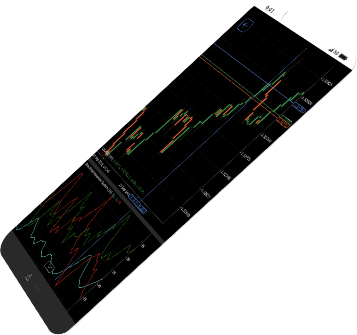
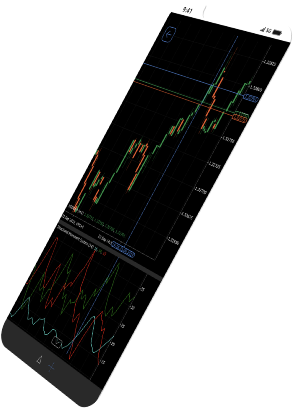
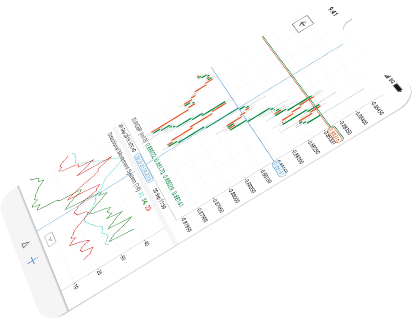
With Varianse’s fast execution and advanced charting tools, Matthew built a reliable, repeatable framework using these indicators.
Why USD/JPY Became His Turning Point
The USD/JPY currency pair is one of the most liquid in global forex trading. It moves cleanly, reacts clearly to fundamentals, and provides strong opportunities for both day traders and long-term investors.
Unlike many other pairs, USD/JPY tends to show smoother price action because both currencies represent stable economies in the United States and Japan. For beginners seeking straightforward forex trading tips, this makes USD/JPY an excellent starting point.
On the Varianse Forex platform, traders benefit from low spreads, advanced USD/JPY technical analysis tools, and precise execution essential features when trading a fast-moving pair like USD/JPY.
Key Factors That Drive USD/JPY
Understanding what moves the USD/JPY currency pair is crucial for building a profitable trading strategy. When Matthew began studying USD/JPY trading, he quickly understood that mastering the fundamentals was just as important as technical analysis. The pair reacts strongly to several core market drivers:
1. Interest Rate Differentials
The Federal Reserve (Fed) and the Bank of Japan (BOJ) contribute significantly to the USD/JPY movement.
When U.S. interest rates rise, the dollar typically strengthens, while Japan’s long-term low rates contribute to yen weakness.
2. Market Sentiment (Risk-On vs. Risk-Off)
The Japanese yen is a well-known safe-haven currency. During periods of global uncertainty or “risk-off” sentiment, the yen typically strengthens. In risk-on environments, traders often shift back toward the USD.
3. Economic Indicators
The key economic data releases, such as CPI inflation, GDP growth, employment data, and manufacturing statistics, can trigger significant volatility in the USD/JPY pair. Matthew follows them with keen interest to anticipate major price movements.
4. U.S. Treasury Yields
Movements in U.S. 10-year Treasury yields are a crucial driver of USD strength. Rising yields generally push USD/JPY higher, while falling yields often result in yen appreciation.
By combining these fundamental drivers with his USD/JPY technical analysis, Matthew learned to interpret both the macroeconomic landscape and short-term market sentiment, giving him a complete view of the market from both sides.
Building Assets, Not Liabilities
As a bankruptcy lawyer, Matthew had seen how easily poor money habits lead to financial disaster.
Inspired by Rich Dad Poor Dad, he understands that the key to sustainable wealth is building assets, not accumulating liabilities.
“Every dollar should either work for you or increase your knowledge,” he says. That’s why he values Varianse’s forex trading platform; it's designed to help traders turn their capital into productive assets, whether through USD/JPY, commodities, or global indices.
Risk Management: The Core of Every Strategy
The most successful USD/JPY risk management strategy, Matthew says, is about control and consistency. Matthew follows strict USD/JPY management guidelines:
1. Always Set a Stop-Loss
No trade opens without one.
2. Risk 1–2% Per Trade
Keeps losses manageable and protects long-term growth.
3. Keep Leverage Moderate
Prevents emotional decision-making and account blowouts.
4. Track Fed & BOJ News
Fundamental announcements can move USD/JPY by 100+ pips within minutes.
This structured approach transformed Matthew’s trading from random positions into a professional system.
Final Thoughts
Matthew’s journey from bankruptcy lawyer to confident USD/JPY trader shows that financial success begins with knowledge, discipline, and the right trading platform.
His story proves that you don’t need to be a market expert to trade effectively. What you need is:
- a reliable strategy
- strong risk management
- market awareness
- access to professional-grade tools
Varianse delivers the speed, liquidity, and analytics needed to trade USD/JPY with confidence.
As Matthew says:
“It’s not about predicting the market, it’s about preparing for it.”
With the right preparation, discipline, and trading environment, your story could be the next one we share.
Frequently Asked Questions
What makes USD/JPY a good currency pair for beginners?
USD/JPY is one of the most liquid and stable currency pairs in forex, making it ideal for beginners. It reacts clearly to economic events, follows clean trends, and offers smoother price action compared to more volatile pairs. This predictability helps new traders learn technical and fundamental analysis with confidence.
Why is the Japanese yen considered a safe-haven currency?
The yen is seen as a safe haven because Japan has a strong financial system, consistent trade surplus, and low interest rates. During global uncertainty, investors often move capital into the yen, causing USD/JPY to fall. Understanding this behaviour helps traders anticipate risk-driven market moves.
What are the best times to trade USD/JPY in Ireland?
The most active periods for Irish traders are:
- Asian Session (00:00–09:00 UTC) – strong JPY activity
- London–New York Overlap (12:00–16:00 UTC) – highest volatility
- New York Session (12:00–21:00 UTC) – major U.S. news releases
These sessions provide the best liquidity and clearest price movements, making trade execution more effective.
How do interest rates affect USD/JPY?
USD/JPY is highly sensitive to interest rate differences between the Federal Reserve and the Bank of Japan.
Higher U.S. rates → stronger USD → USD/JPY rises
Lower U.S. rates or global uncertainty → stronger JPY → USD/JPY falls
Monitoring rate decisions is essential for anticipating major directional moves.
What indicators work best for trading USD/JPY?
Popular indicators for USD/JPY include:
- 50 & 200 EMA (trend direction)
- MACD (momentum shifts)
- Rate of Change (ROC) (breakout confirmation)
- Ichimoku Cloud (trend and support/resistance)
These tools work well due to the pair’s strong trends and high liquidity.
How does market sentiment influence USD/JPY?
USD/JPY moves strongly with global risk sentiment.
- Risk-off sentiment → yen strengthens → USD/JPY drops
- Risk-on sentiment → yen weakens → USD/JPY rises
Following global news, equities, and geopolitical events helps traders anticipate these shifts.
What fundamental indicators should I watch when trading USD/JPY?
Key market drivers include:
- U.S. CPI inflation
- Non-farm payrolls (NFP)
- GDP growth
- BOJ policy announcements
- U.S. Treasury yields
These releases often trigger immediate volatility in USD/JPY, especially during major sessions.
Why do Irish traders choose Varianse for USD/JPY trading?
Irish traders value Varianse for its tight spreads, fast execution speeds, and deep liquidity are important factors when trading a fast-moving pair like USD/JPY. The platform’s advanced charting tools and multi-asset access allow traders to analyse and execute strategies with confidence, without unnecessary complexity..