
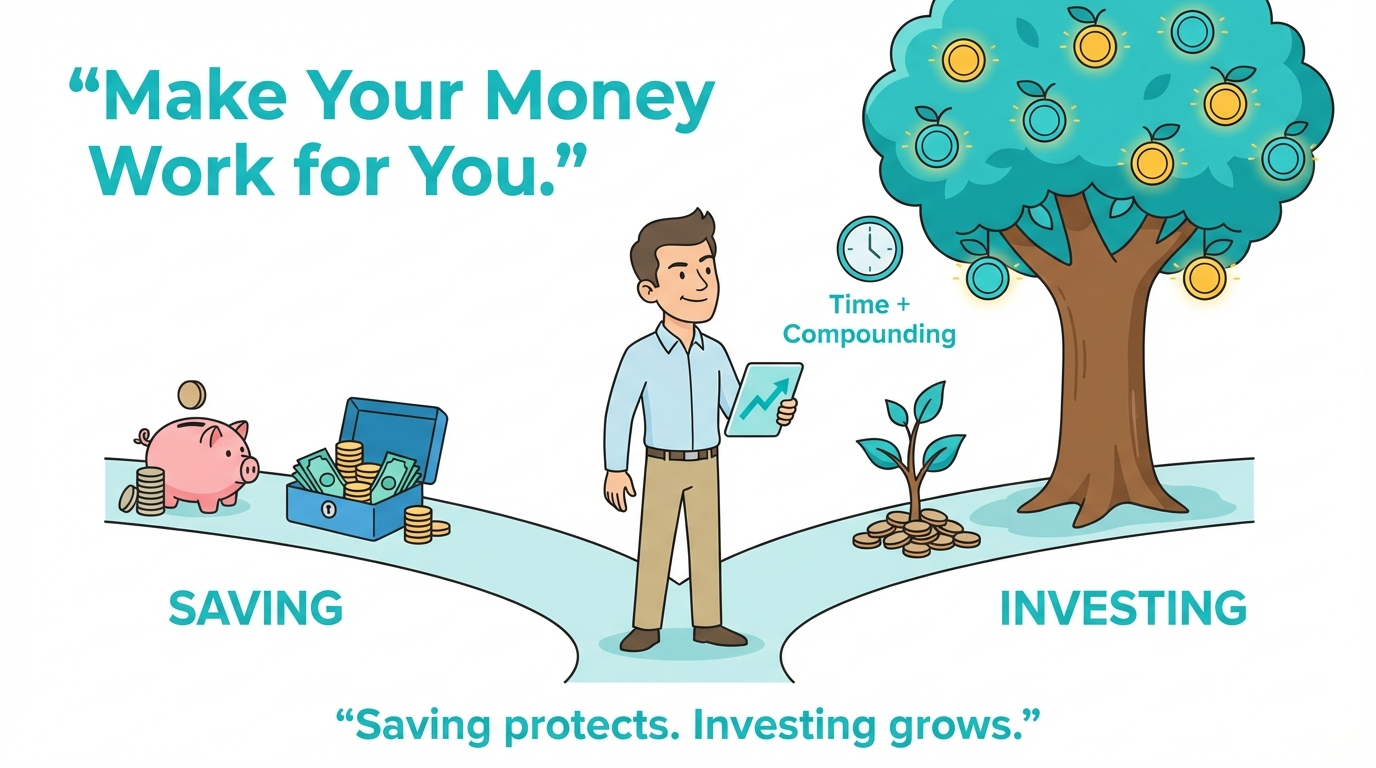
If you've ever asked, 'What is investing?' you're already ahead of the game. Instead of hoarding cash, you let it work for you, grow over time, and beat inflation. Saving helps preserve money for short-term needs, while investing offers the potential for long-term growth, though returns aren't guaranteed and you can lose capital.
Newcomers often think diving into the stock market or similar ventures is risky, complex, or only for seasoned investors. However, investing makes sense once you grasp the concept and think long term. Investing is not simply a matter of chance.
This guide demystifies investing, explains how it works, and gives newcomers advice on how to jump in wisely and safely.
What Is Investing in Simple Terms?
Investing is putting your money into assets that might grow in value or earn a profit over time, rather than letting it sit idle, which can boost your purchasing power and financial stability.
Investing is really about long-term planning. It's all about increasing your wealth, waiting for the big payoff, and giving up immediate pleasures for future stability. This approach sets investing apart from fast-money trading.
Why People Invest Their Money?
Folks put their cash into things because if you just let it sit, it's going to lose its value. Even if your bank balance stays the same, inflation gradually erodes your purchasing power. Investing helps your cash grow faster than prices rise, keeping pace.
Investing isn't just about playing it safe; it's a path to growing your wealth, securing your financial independence, and making your dreams a reality. It's about turning idle money into active players in the financial arena.
Saving vs Investing: What’s the Difference?
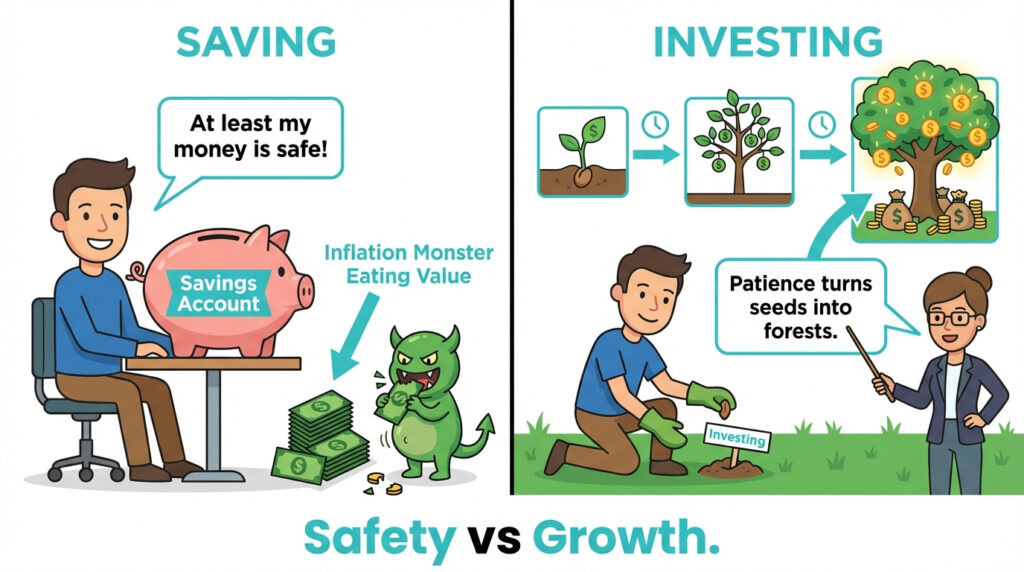
Saving and investing both play a role, but they shine together when you combine them. Saving is like your financial safety net, keeping your cash secure, readily available, and stable for the near future.
Investing is really about growing your cash, managing risks, and planning. To grow your funds, you have to take calculated risks. And saving? It's like a safety net, providing stability and protection against unexpected expenses. Investing can significantly increase your wealth and is a crucial part of a strong financial strategy.
This point becomes more obvious when you consider the wider view of financial markets, which you can explore on the Financial Market Foundations.
How Investing Helps Grow Wealth Over Time?
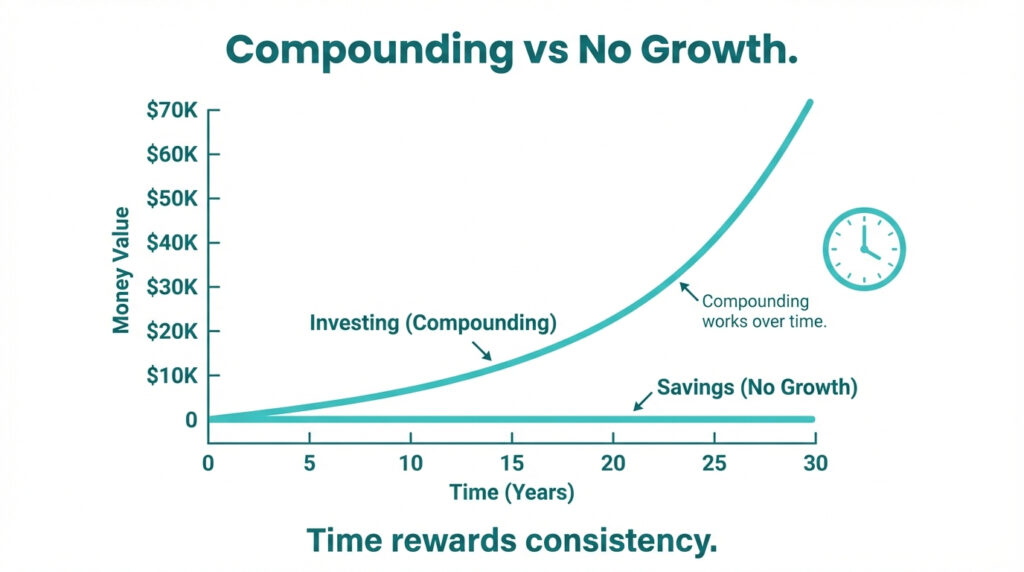
Wealth grows through compounding, investing, and letting time work its magic. Your initial earnings start generating more earnings, and over time, this can lead to rapid wealth growth.
Even small investments can grow big if you're patient and stick with it. Time really makes a difference in investing. The sooner you start positive habits, the bigger their impact.
Can Beginners Invest with Small Amounts of Money?
Yes, newbies can start investing with a small amount of cash, and that's often the smartest move. Keeping it small helps reduce stress and makes mistakes easier to manage. It shifts the focus from chasing profits to learning and self-improvement.
Consistency, education, and risk awareness are key. A smart group of investors started modestly and sharpened their skills before they truly made big money.
Common Investing Myths Beginners Should Know
Many people hesitate to invest their cash because they're unsure. Some people believe investing in stocks is only for the wealthy. Some people reckon you need perfect timing or that investing is just gambling.
Another common myth is that success requires trading every day. With patience, organization, and planning, investing can really pay off. These myths can scare you, but the facts can clear things up and boost your confidence.
Investing vs Trading: Understanding the Difference
Investing and trading share similarities, but they're not the same. Investing focuses on long-term growth, owning assets, and letting your money grow. Trading, on the other hand, focuses on short-term price fluctuations and executing trades smoothly.
Both require learning, but trading demands more self-discipline and sticking to your strategy. Many people start as investors and then jump into trading once they really understand the market. The differences in how these methods operate are discussed in Trade Mechanics & Execution Basics.
What Makes Investing Safe and Sustainable?
Smart investing isn't about avoiding risk altogether; it's about handling it wisely. This means diversifying your portfolio, understanding your patience for returns, staying calm, and avoiding decisions driven by hype or fear.
Education should always come before money. Check out VARIANSE Academy's website for structured learning paths that build a strong foundation before you commit financially.
Why Investing Is a Skill? Not a Shortcut
Investing is not a quick-profit system. Taking the time to get good at it means you'll improve with practice. Persevere and stay focused. Serious investors understand the importance of maintaining a long-term perspective, managing fluctuations, and not dwelling on errors. This mindset transforms investing from speculation into a professional discipline.
How Investing Connects to Trading Education
Many people jump into investing before they even think about trading. Investing helps you manage money, understand the market, and handle risk. These skills are crucial if you are considering diving into active trading.
A smart move to get the hang of trading without risking your cash is to check out the demo setup on the VARIANSE trading account page.
What Is Investing Really About?
What is investing truly about? Investing is basically about putting your cash into something with a clear goal, a strong plan, and a specific path. It focuses on growing your money wisely, securing your future, and enhancing your financial confidence.
If you are patient, smart, and persistent, investing your cash can truly yield significant returns. When you master it, it's a reliable method to ensure long-term financial satisfaction.